
LEDs are supposed to last 50,000 hours — that is over a decade for many uses. So when yours
keep dying in a year or two, it feels like a scam. It usually is not the LED technology failing.
It is one of a handful of very fixable causes. Here is what is really going on, so you stop
throwing money at replacements.
Reason 1: Heat — the Number One Killer
LEDs hate heat. The light itself runs cool, but the electronics behind it (the driver)
degrade fast if heat cannot escape. Cheap fixtures with poor heat sinks, or good fixtures
crammed into enclosed, unventilated spaces, cook themselves. Quality fixtures with proper
thermal management are the single biggest factor in LED lifespan.
Reason 2: Power Surges and Unstable Voltage
India’s grid delivers spikes and fluctuations that quietly destroy LED drivers over time.
Without built-in surge protection, each surge chips away at the fixture until
it dies early. For outdoor, industrial and street lighting, surge protection (up to 10KV) is
essential, not optional.
Reason 3: Cheap Drivers and Poor Quality
The driver is the most failure-prone part of any LED fixture. Budget products cut cost here
first. This is also why certifications matter: an BIS-certified product with
genuine LM-80 lumen-maintenance data has proven it can actually last — a no-name fixture has
proven nothing.
Reason 4: Wrong IP Rating for the Environment
Dust and moisture getting inside a fixture is a slow death sentence. An indoor-rated light
used outdoors, or a low-IP fitting in a dusty or humid area, will fail early. Match the
IP rating to the environment — IP66 for outdoor, dusty or wash-down areas.
Reason 5: Overdriving and Bad Installation
Fixtures run harder than rated, loose connections, poor earthing, or wrong voltage all
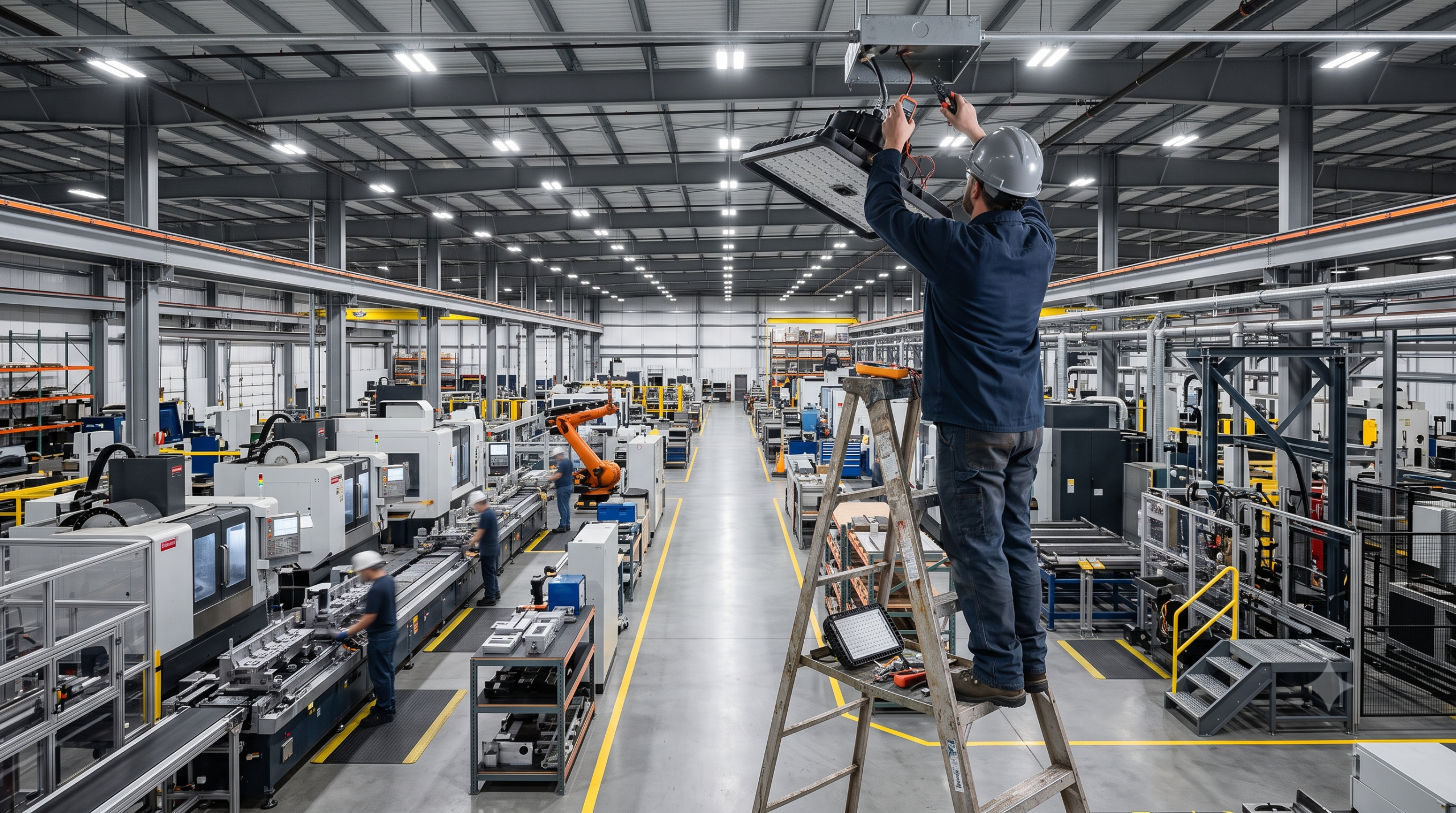
shorten life. Correct installation by a competent electrician matters as much as the fixture.
How to Make LEDs Last Their Full Life
- Buy fixtures with proper heat sinks and thermal design
- Insist on surge protection for outdoor/industrial/street use
- Demand BIS certification and LM-80 data
- Match IP rating to the environment (IP66 outdoors)
- Ensure correct voltage, earthing and professional installation
- Keep lenses clean in dusty settings
Frequently Asked Questions
Why do my LED lights keep failing early?
Most often heat build-up, power surges, cheap drivers, the wrong IP rating for the
environment, or poor installation — rarely the LED chips themselves.
How long should LED lights actually last?
Quality LEDs are rated around 50,000 hours at L70, meaning they still give 70% output at
that point.
Does surge protection really matter?
Yes — on India’s unstable grid, surges destroy unprotected LED drivers over time, especially
outdoors.
How do I know an LED will last?
Look for BIS certification and LM-80 lumen-maintenance test data, proper thermal design, and
the right IP rating.
Reway builds LEDs with proper thermal design, surge protection and full BIS/LM-80
certification for genuine long life. Browse
our range or ask us why yours are failing →